Natural Herbs for Anxiety and Stress Relief
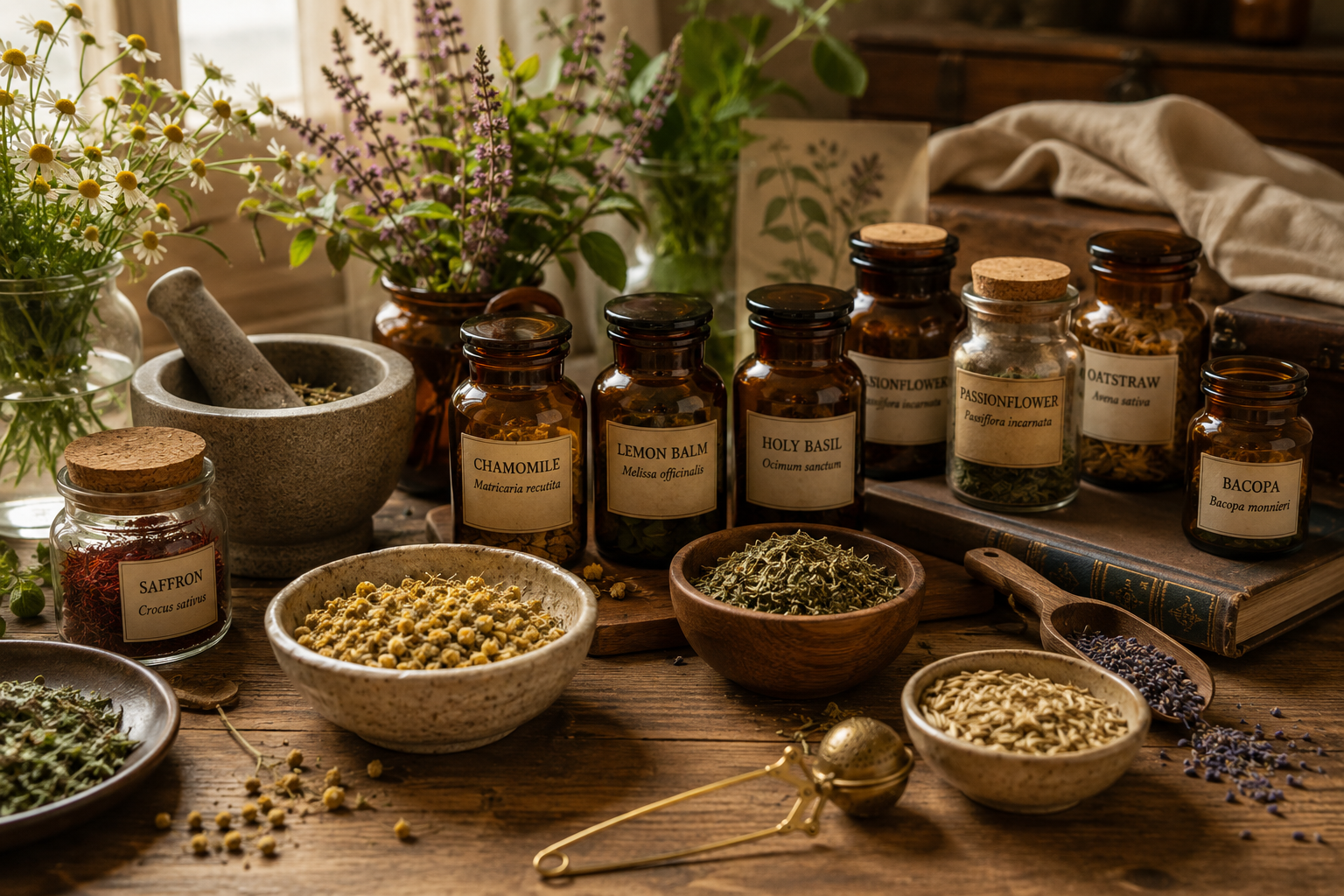
If you've been struggling with anxiety, you've probably searched for natural ways to feel calmer and more grounded. While there's no single herb that can "cure" anxiety, many plants have been traditionally used for centuries to support relaxation, build resilience to stress, and encourage a more balanced nervous system.
Herbs can be a beautiful addition to a holistic wellness routine alongside practices like quality sleep, nourishing food, regular movement, mindfulness, therapy, and nervous system regulation exercises. Think of them as another piece in your nervous system tool kit.
Below are eight herbs that have been studied for their potential to support stress management and emotional well-being.
1. Lemon Balm (Melissa officinalis)
Lemon balm is one of my favorite herbs for supporting relaxation. Part of the mint family, it's known for its gentle calming properties and light citrusy flavor.
Some research suggests that lemon balm may help reduce feelings of stress and anxiety while promoting a greater sense of calm. It's also commonly used to support restful sleep, especially when anxiety makes it difficult to unwind.
2. Ashwagandha (Withania somnifera)
Ashwagandha is considered an adaptogen, meaning it may help the body adapt to physical and emotional stress.
Research suggests it may support a healthy stress response and, in some studies, has been associated with reductions in perceived stress. Many people also report improvements in energy and overall resilience when taken consistently.
3. Passionflower (Passiflora incarnata)
Passionflower has long been used as a calming botanical for people experiencing occasional nervousness or restlessness.
Some studies suggest it may help promote relaxation by influencing GABA, a neurotransmitter involved in calming nervous system activity.
Many people enjoy passionflower as an evening tea or tincture before bedtime.
4. Holy Basil (Tulsi)
Often called the "Queen of Herbs" in Ayurveda, holy basil has been traditionally used to support both physical and emotional balance.
Like ashwagandha, tulsi is considered an adaptogenic herb and may help the body respond more effectively to everyday stress.
Many people describe tulsi tea as feeling both calming and gently uplifting.
5. Bacopa (Bacopa monnieri)
Bacopa is another herb used in Ayurvedic medicine and is perhaps best known for supporting cognitive function.
While it's often associated with memory and concentration, some research suggests bacopa may also help reduce the physiological effects of stress over time contributing to a more resilient nervous system.
6. Saffron
Although commonly recognized as a culinary spice, saffron has also been studied for its effects on mood.
Emerging research suggests saffron may help support emotional well-being and reduce symptoms of mild anxiety and low mood in some individuals. Researchers believe its antioxidant compounds may play a role in these effects.
Because saffron is one of the world's most expensive spices, supplements often provide standardized amounts used in research.
7. Chamomile
Chamomile has been used as a calming herb for generations, and for good reason.
Whether enjoyed as a warm cup of tea before bed or taken as a supplement, chamomile is widely recognized for its relaxing properties. Some research suggests it may help reduce symptoms of generalized anxiety while promoting restful sleep.
A simple cup of chamomile tea can also become a mindful ritual that signals to your nervous system that it's time to slow down.
8. Oatstraw (Avena sativa)
Oatstraw is harvested from the green stems of the oat plant and has traditionally been used as a nourishing herbal tonic.
Rather than acting as a sedative, oatstraw is often considered a gentle, restorative herb that may help support the nervous system over time. It's frequently recommended by herbalists during periods of prolonged stress or burnout.
Disclaimer***
The information provided in this article is for educational purposes only and is not intended as medical advice, diagnosis, or treatment. Herbs and dietary supplements can interact with medications, affect certain medical conditions, and may not be appropriate for everyone, including those who are pregnant or breastfeeding.
Always consult your physician, pharmacist, or another qualified healthcare provider before starting any new herb or supplement, especially if you have a medical condition or take prescription medications. Never stop or change a prescribed treatment without first speaking with your healthcare provider.
